Define the learning problem
Begin with a specific situation rather than a broad ambition. “Improve my passing” is a useful intention, but “release an accurate pass after receiving under pressure” gives a coach something observable to address. Describe the player's experience, preferred position, lacrosse format and current training environment. Include what already works. A development conversation should recognize strengths rather than treating the athlete as a collection of weaknesses.
A productive academy can explain how it would establish a baseline without pretending to know the player from a short enquiry. Ask whether the initial assessment includes conversation, technical observation and representative game situations. A single timed test or edited highlight reel cannot capture decision-making, adaptability or confidence. The assessment should lead to a small number of priorities that the player can explain in their own words.
Watch the teaching, not the title
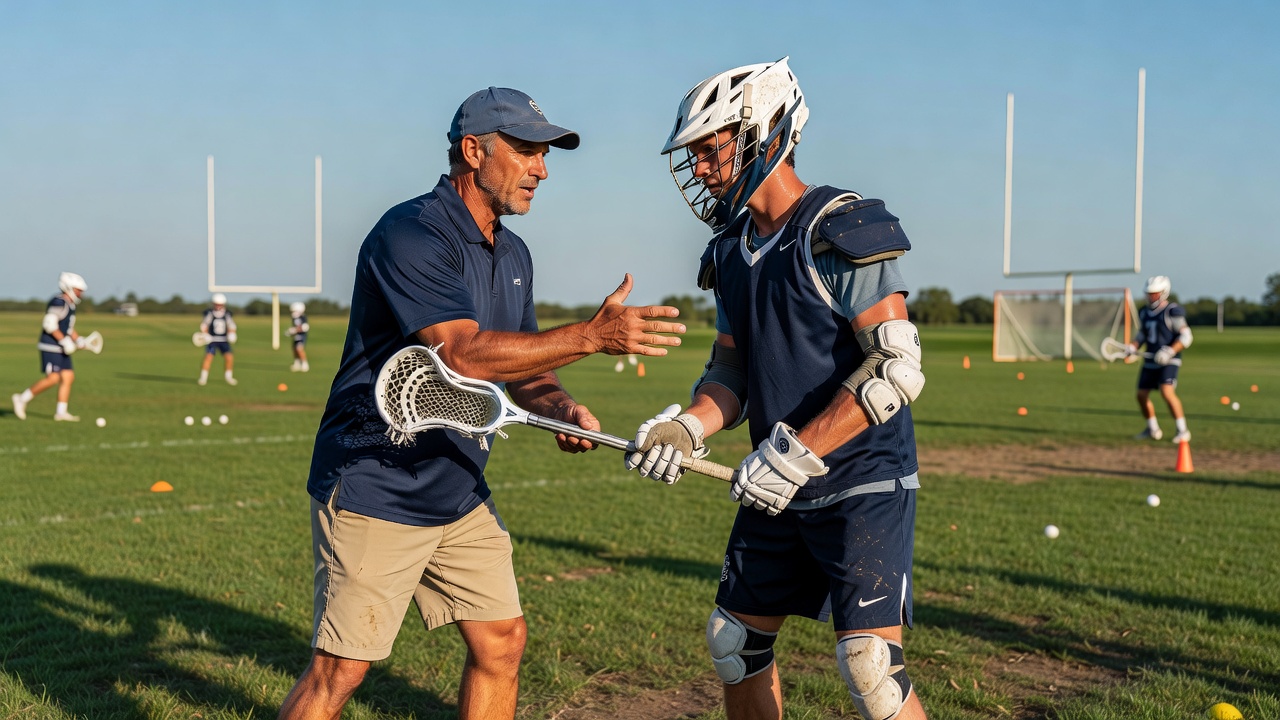
Request an opportunity to observe a normal session, subject to the privacy and safeguarding arrangements of the group. Notice how instructions are delivered, how long players wait and whether tasks change when they become too easy or too difficult. Good teaching need not be loud or elaborate. It should make the purpose of practice understandable and give players meaningful opportunities to act on feedback.
Ask the coach to explain one exercise: what problem does it address, what would successful execution look like, and how will that skill appear in play? Isolated repetition and game-based learning can both be useful. The important question is how they connect. A coach who can explain that relationship is offering more useful evidence than a program that relies on fashionable terminology without describing its daily practice.
Check qualifications in context
Coaching credentials are a starting point, not a complete measure of quality. Ask which organization issued a qualification, what it covers and whether ongoing learning is expected. USA Lacrosse, Lacrosse Canada and England Lacrosse provide coaching resources within their respective systems. Their materials and structures are not interchangeable licenses for every country, age group or academy setting. Confirm the relevance of any claimed credential with its issuing body.
Distinguish technical coaching from strength and conditioning, medical care and psychological support. A strong lacrosse background does not automatically qualify someone to diagnose injury or prescribe rehabilitation. Ask who handles those responsibilities and what referral process exists. For younger players, also establish who holds safeguarding responsibility, how concerns are reported and whether appropriate checks are required under local rules.
Agree how feedback becomes progress
A feedback system should be clear enough to describe before enrolment. Ask how individual goals are set, when they are reviewed and whether the player receives a written summary. Video may help, but request details about consent, storage and access. More footage is not automatically better feedback. A short sequence connected to a clear decision can be more useful than a folder of clips without explanation.
Progress should include the player's ability to recognize a situation and select a response, not only improvements in an uncontested drill. Ask how coaches account for growth, fatigue, previous experience and different learning needs. If the proposed program uses standardized tests, request an explanation of their purpose and limitations. Avoid treating a single score as a prediction of future selection or long-term potential.
Test the relationship before committing
A trial conversation or short visit can reveal whether communication feels respectful and specific. Encourage the player to ask a question directly. Notice whether the answer builds understanding or relies on authority alone. Families should know how routine updates differ from urgent welfare concerns, and adult players should understand the boundaries of private communication with staff.
Before deciding, summarize the proposed match in one sentence: this coach will help this player address this learning priority through these methods, with these review points. If the sentence remains vague, ask for clarification. Coaching fit is not a promise of uninterrupted progress. It is a workable relationship with a transparent process for noticing problems and adjusting the plan.