Follow an ordinary day
Begin the visit where the player would begin the day. Trace the route from accommodation or public transport to changing facilities, the field, meals and any classroom or study space. Include the journey back after an evening session. A compact site may be more manageable than a larger campus with fragmented access. Travel time, supervision and reliable entry matter because they affect the experience repeatedly, not just on arrival day.
Ask which facilities are owned, leased or shared, and request the hours allocated to the relevant group. A photograph of an indoor hall does not establish that lacrosse players may use it when outdoor training is cancelled. If several teams share a venue, ask how bookings are prioritized. Confirm whether independent practice is permitted and, if so, whether supervision, booking or additional fees are required.
Inspect the training surface and equipment
Look for maintenance arrangements rather than trying to make a technical safety judgment yourself. Ask who checks the surface, goals, netting and surrounding space before training. Discuss how the site manages wet weather, heat, reduced daylight and nearby activities. Surface type alone does not establish quality; its condition, footwear requirements and suitability for the planned session also matter. Request the procedure for reporting a hazard without waiting for the next formal review.
Equipment requirements vary between field, box and Sixes lacrosse and between competition rules. The academy should identify the exact format and governing rules it uses. World Lacrosse publishes international rules, while national bodies and domestic competitions may apply their own requirements. Ask who checks protective equipment, how damaged items are replaced and whether loan equipment is included. Do not assume that equipment bought for one setting is automatically appropriate in another.
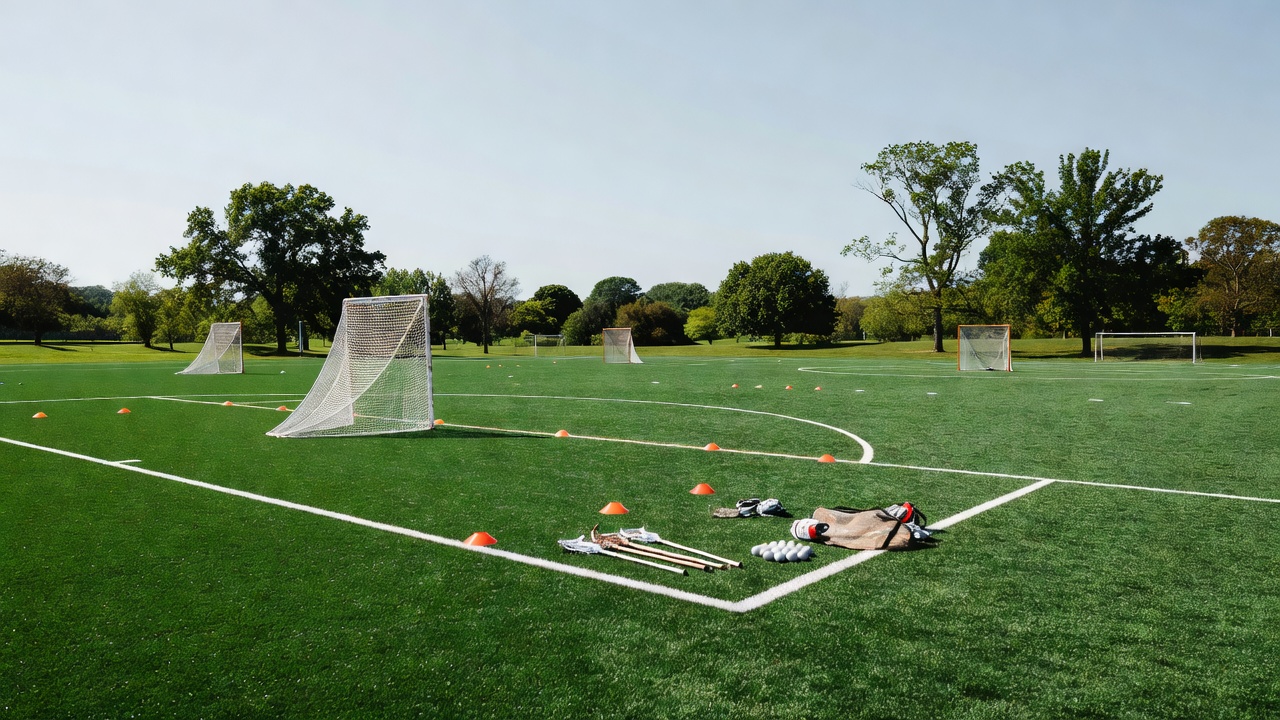
Availability is part of quality.
A modest facility with dependable access can support a better routine than an impressive venue a player rarely gets to use.
Make welfare arrangements visible
Ask who is responsible when a player becomes unwell, gets injured or needs help outside scheduled training. The answer should identify roles, contact routes and escalation arrangements rather than simply promise a supportive atmosphere. Establish what medical support is on site, what requires an external appointment and who pays. For head injuries, request the written concussion procedure and the process for medical assessment and return to participation.
Inspect changing and toilet facilities, drinking-water access, secure storage and the practical availability of meals. Players with disabilities, allergies, religious requirements or other access needs should be able to discuss arrangements before committing. Accommodation requires its own enquiry: supervision, room allocation, visitors, quiet hours and emergency contacts all deserve explicit answers. For minors, confirm how parental communication, collection permissions and safeguarding concerns are handled.
Ask what happens when plans change
Every program encounters disruption. Ask for a recent example of how the academy handled an unavailable field, a staff absence or transport trouble, without requesting another player's private information. A useful contingency plan identifies who makes the decision, when families or adult players are informed and what alternative activity is provided. Replacing every cancelled field session with a hard conditioning workout may not serve the original learning objective.
Seasonal context matters. A winter visit in Helsinki and a summer visit in Köln reveal different operating pressures, but neither city name tells you whether a particular academy has a workable plan. Request information covering the period you would actually attend. Check whether indoor provision, travel and equipment storage remain available during school holidays, tournament periods and maintenance closures. Confirm which changes could trigger a refund or an alternative service under the contract.
Record evidence, not impressions
After a visit, separate what you observed from what you were told. “Saw a supervised strength session” is different from “was told supervision is always available.” Keep a short record of unanswered questions and request written clarification where the answer affects cost, welfare or daily access. Respect privacy: obtain permission before photographing facilities, and never capture other players' personal information or changing areas.
The final decision should connect the setting to the player's needs. A goalkeeper may need reliable position-specific space; a student may need a quiet place to study between sessions; a younger player may need more structured supervision. None of these is a luxury if it is essential to participation. Choose a setting that supports the whole day rather than judging a collection of isolated features.
| Area | Evidence to request | Useful follow-up |
|---|---|---|
| Field access | Representative booking schedule | What changes in poor weather? |
| Player welfare | Named responsibilities and written procedures | Who responds outside training hours? |
| Accommodation | Conditions, supervision and full costs | What is excluded from the fee? |